

Everyone likes a great movie, especially media-obsessed marketers. Movies and marketing campaigns share much in common – both must have a believable premise, a compelling narrative, and interesting content. However, a key difference exits in how movies and marketing are defined. Movies are most often defined by genre (action, comedy, drama), while marketing campaigns reflect the medium they use (print, TV, online, mixed). This outlook is the standard, but thinking about marketing the way we think about movies can lead to more creative and inspired storytelling. Lets start with the Documentary, which overlaps the most with traditional marketing concepts. A documentary tells a story by diving into a topic’s most remarkable and noteworthy aspects, similar to a traditional advertisement. Infographics, such as the Visually-produced What Are The Odds?, take data and convey it in a narrative format that is similar to the unfolding of a documentary. 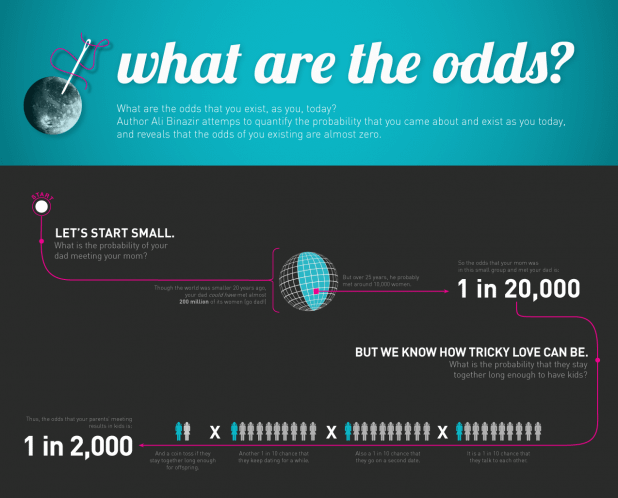 Video marketing mediums such as Vine and Instagram can be inspired by Action movies. From fast-paced clips that make the most of their medium’s time limitations to stop motion production techniques, these formats can be used to mimic Hollywood blockbusters. Well-known Vine user Pinot produced a fantasitc series of Vines combining 300’s end credit style with exploding fruit in place of blood. Mystery movies can fall into a number of different categories – thrillers, tragedies, and of course, traditional whodunit stories. While marketing collateral has much less time to establish a dramatic plot structure than a movie does, content that answers a ‘why’ question can effectively capture consumer attention. Fast Company produced a choose your own adventure infographic detailing the Gizmodo iPhone leak saga surrounding the iPhone 4.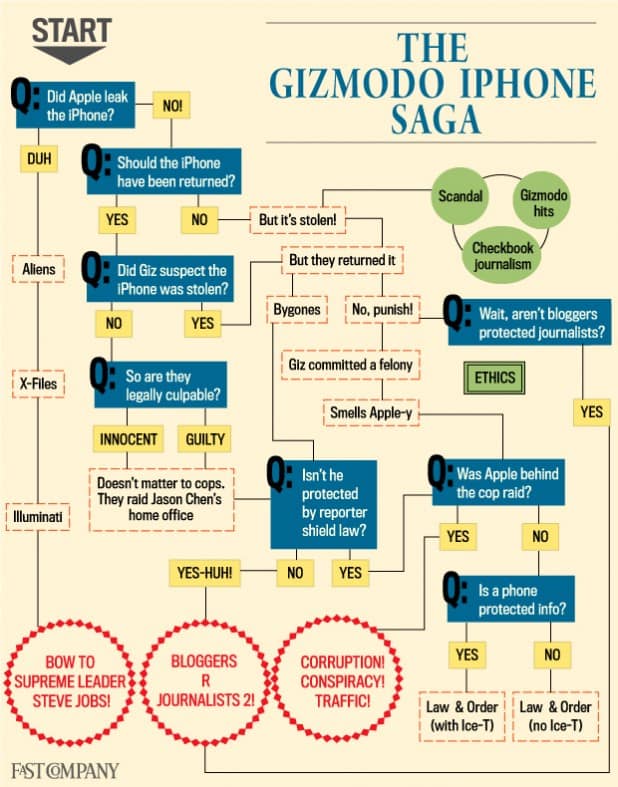
It’s funny—sometimes, when you start thinking about marketing through a genre lens, those old approaches suddenly look a little dusty. Storytelling isn’t just a garnish anymore; it’s the main dish, and people are hungry for twists, callbacks, or even a surprise villain. Maybe in 2025 it feels even more urgent, given how fast attention flickers. Marketers who dare to blend genres—say, a dramatic arc with a slapstick payoff—have a shot at real engagement, not just “impressions” that vanish in three seconds flat. Honestly, there’s something energizing about breaking away from the tired, single-note campaigns we all scroll past now without blinking.
And if you lean in further, taking, for example, the unreliable narrator trope that’s all over recent thrillers, you might end up with a campaign that invites people to question, investigate, or debate. Uncertainty draws people in; nobody remembers an ad that spells out everything in the first ten seconds. Think about it: a little dose of ambiguity, a breadcrumb trail, can make even a dry B2B product demo memorable. The world’s cluttered, but if your content feels like a short film—or at least a fun riff on what a short film could be—that’s when people start talking about it unprompted. Fans don’t just want information; they want a moment worth sharing or arguing about later.
Drama films grow tension throughout the length of the film, and the best ones manage to always keep the audience on edge. Marketers can utilize drama with a series of print ads in a magazine, each telling a portion of a brand’s story. Or, they can tease a message throughout a week or a month on social media using microcontent. For more immediate drama, consider a Vine that combines equal parts secrecy, intrigue, and compelling content. Intel did a great job of utilizing Vine to promote their conflict-free microprocessors. No movie genre discussion is complete without mentioning Comedy. As Hollywood’s favorite to pair with action-packed summer flicks, comedy films are easily digestible and appeal to a wide audience. These two qualities should be readily apparent in any sort of marketing content meant to play up its clever edge. GDS Infographics follows these two guidelines nicely in its graphic about stress vs. productivity during the typical work day. 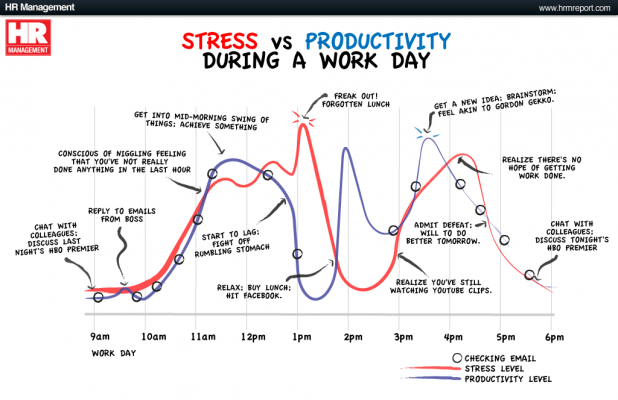 While these are just a few of the most popular movie genres, inspiration can strike anywhere. Don’t be afraid to take inspiration from other genres or to combine two together for your next piece of visual content. For help molding your idea into the perfect piece of content, reach out to Visually’s team of rockstar storytellers in the marketplace to bring your idea to life. Jon Salm is a client analyst at Millward Brown Digital in New York City and a freelance data journalist in the Visually marketplace. He has a bachelor’s degree in English from Washington and Lee University. You can follow him on twitter @Jon_Salm.
}}